

Source article: enscape3d.com
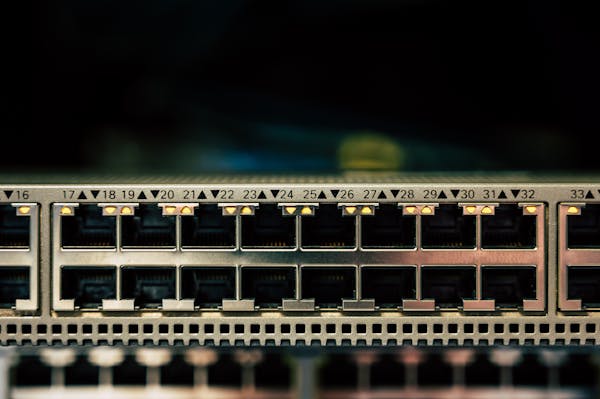
Understanding Dynamic 4G Proxy Servers
With the increasing need for online anonymity, mobile 4G proxies have emerged as a vital tool for secure and anonymous browsing.
What Are 4G Rotating Proxies?
4G rotating proxies utilize cellular data connections to provide changing IPs to users. Unlike static proxies, they offer dynamic IP rotation, improving security.
How Do They Work?
Upon activation, users receive a 4G network IP. These IPs are switched periodically, making tracking difficult.
Why Opt for 4G Rotating Proxies
- Enhanced Anonymity: Dynamic IP rotation masks real IP addresses.
- Overcoming Location Barriers: Changing IPs allow access to restricted content.
- Reduced IP Bans: Frequent IP changes prevent bans.
Use Cases for Mobile Proxies
- Data Extraction: Rotating IPs prevent scraping blocks.proxies reduce account bans.
- Marketing Research: Changing IPs simulate diverse user locations.
- o Consider}
In choosing a proxy service, consider:
- IP Pool Size: A larger pool enhances anonymity.
- Rotation Frequency: Determine if the service offers customizable intervals.
- Geographical Coverage: Access to multiple regions supports diverse tasks.
Limitations to Be Aware Of
- Budget Concerns: 4G proxies may be pricier compared to other types.
- Connection Stability: Mobile networks can be less stable.
- Compliance Issues: Ensure usage avoids illicit activities.
Conclusion
Mobile 4G proxies provide dynamic IP solutions, establishing their importance in modern internet usage.
Understanding the Inner Workings of 4G Rotating Proxies
Within the sphere of online anonymity, 4G rotating proxies have emerged as pivotal tools for maintaining user anonymity.
What Are 4G Rotating Proxies?
These proxies utilize cellular data connections to rotate IP addresses to users. Unlike static proxies, they rotate IPs after set intervals, improving security.
How Do They Work?
Once initiated, users receive a 4G network IP. These IPs are switched periodically, hindering surveillance.
Benefits of Mobile 4G Proxies
- Increased Security: Dynamic IP rotation prevents tracking.
- Accessing Region-Locked Content: Changing IPs allow access to restricted content.
- Reduced IP Bans: Frequent IP changes avoid detection systems.
Practical Implementations
- Information Gathering: Rotating IPs maintain access to target sites.
- Social Media Management: Dynamic proxies reduce account bans.
- Competitor Analysis: Changing IPs monitor competitor strategies.
Choosing the Right Proxy Service
When opting for a 4G rotating proxy, consider:
- IP Pool Size: A larger pool reduces repetition.
- IP Change Intervals: Determine if the service has fixed durations.
- Geographical Coverage: Access to multiple regions supports diverse tasks.
Potential Challenges
- Pricing Structures: 4G proxies may be pricier compared to other types.
- Performance Issues: Mobile networks might experience fluctuations.
- Compliance Issues: Ensure usage aligns with laws.
Conclusion
4G rotating proxies provide dynamic IP solutions, making them invaluable in modern internet usage.
Today’s online landscape, maintaining online privacy and bypassing restrictions has become more necessary than ever. Scrapers, social media managers, and data analysts often rely on proxies to hide their IP address. Among these, 4G LTE rotating proxy servers have become game-changers.
How do they stack up against other options like residential proxies? Let’s break it down.
== What is a 4G Rotating Proxy?
A 4G rotating proxy is a proxy that routes internet traffic through a real mobile device. These proxies change IPs at preset intervals or upon request, mimicking human behavior and reducing the chance of bans or blocks.
== Main Proxy Types
Let’s outline the key proxy types before comparing:
1. **Datacenter Proxies**
– High-speed and cheap, but easily flagged.
2. **Residential Proxies**
– Use IPs assigned to real homes. More legit, but slower and costlier.
3. **4G Mobile Proxies**
– Use real SIMs on LTE networks. Best for scraping, bots, social media.
4. **SOCKS5 Proxies**
– Protocol-based, flexible, used for various apps, not just HTTP.
== Comparison Table
| Feature | 4G Rotating Proxies | Datacenter Proxies | Residential Proxies | SOCKS5 Proxies |
|————————|———————|———————|———————|—————-|
| IP Source | Mobile Network (SIM)| Data Centers | Home IPs | Varies |
| Rotation | Yes (Frequent) | Sometimes | Optional | Manual |
| Ban Resistance | High | Low | Medium | Depends |
| Speed | Medium | High | Low-Medium | High |
| Price | High | Low | Medium | Low-Medium |
| Target Use | Social, Ads, Bots | General Scraping | E-commerce, Research| General |
| Block Detection | Low | High | Medium | Medium |
== Technical Advantages of 4G Rotating Proxies
What gives mobile proxies their edge?
– **Real Device Trust**: Websites trust mobile IPs more than others due to carrier NAT and wide user pools.
– **Shared Reputation**: IPs are shared across many users, making banning a single user risky.
– **Geo-targeted Mobile Carriers**: Rotate between networks in real U.S. cities or countries.
– **Dynamic Rotation**: Can rotate every few minutes or after each request.
– **Bypasses Captchas**: Mobile IPs are less likely to trigger captchas or challenge verifications.
== Where 4G Proxies Win
Let’s cut to the chase— if you’re doing social media automation, nothing works better than a solid 4G proxy.
– Craigslist blocks data center IPs.
– Web scraping? You’ll trigger fewer blocks.
– Ads management across banned zones? Done.
== Where They Fall Short
– **Cost**: They’re premium priced.
– **Speed**: Slower than static datacenter options.
– **Limited Threads**: Some providers limit concurrent usage.
== SOCKS5 vs 4G: Protocol vs Behavior
If you need raw protocol-level control, SOCKS5 is your friend. But they don’t rotate IPs on their own.

| Attribute | 4G Proxy | SOCKS5 Proxy |
|———————|——————–|——————–|
| Protocol Type | HTTP/HTTPS | SOCKS5 (All apps) |
| Rotation | Yes | Manual |
| IP Trust Level | Very High | Medium |
| Use Cases | Social, Ads, Bots | Torrenting, Apps |
== Use Cases Side-by-Side
**4G Rotating Proxies:**
– Social Media Management
– Mobile Ad Verification
– SEO Scraping
– Sneaker Bots / E-com Testing
– Marketplace Automation
**Datacenter Proxies:**
– High-volume scraping (non-sensitive)
– Speed-demanding tasks
– Price-conscious campaigns
**Residential Proxies:**
– E-com price intelligence
– Research tools
– CAPTCHA-heavy targets
**SOCKS5 Proxies:**
– Application-level traffic routing
– Anonymity over torrents
– Bypassing firewalls
== How to Choose the Right One?
Not all proxies are created equal. Here’s how to choose:
– Need speed? Go datacenter.
– Need trust and stealth? Go 4G mobile.
– Need app-level routing? Go SOCKS5.
– Need wide IP pools without rotation? Try residential.
== Future of 4G Rotating Proxies
With AI detection systems growing smarter, only carrier networks are keeping up. We’re seeing:
– 5G proxy rollouts in testing
– Smarter rotation algorithms
– Integration with automation platforms like Jarvee, NextPost, Puppeteer
== Final Verdict
If stealth matters, LTE proxies are your best bet. For any campaign that’s running multiple accounts, it’s worth the investment.
== Spintax Conclusion
So, whether you’re an agency scaling campaigns, investing in the right proxy is key to success.
4G rotating proxies may cost more, but the results speak for themselves.
https://www.fortinet.com/resources/cyberglossary/proxy-server
https://en.wikipedia.org/wiki/Proxy_server
https://support.microsoft.com/en-us/windows/use-a-proxy-server-in-windows-03096c53-0554-4ffe-b6ab-8b1deee8dae1
https://www.reddit.com/r/explainlikeimfive/comments/1dfgepb/eli5_what_is_a_proxy_server_and_why_would_i_as_an/
https://surfshark.com/blog/proxy-server